Addiction Treatment Texas: The Duty of Genetics and Setting
Texas is huge enough to consist of a number of various Americas. A breeder on the South Plains, a soldier at Joint Base San Antonio, a refinery worker along the Gulf Coast, a college student in Austin, and a high schooler in the Rio Grande Valley do not live the exact same life. Yet when family members call for assistance with addiction, the very same 2 inquiries echo: Just how much of this remains in the genetics, and how much is the globe we reside in? Treatment that works in Texas identifies both, then constructs a plan that fits the person and the place.
What genes really means in addiction
Most people hear "genetics" and envision a solitary switch that flips a person right into dependence. That is not exactly how it functions. Material usage problems are complicated qualities, affected by numerous small hereditary differences that together influence danger. Big researches across alcohol, opioids, nicotine, marijuana, and stimulants converge on a heritability range around 40 to 60 percent. Heritability is a populace statistic, not fate for a person. Two brother or sisters elevated in the same home can have really different paths, despite similar genetic risk, when anxiety, social media networks, and accessibility to materials go into the picture.
When medical professionals talk about hereditary risk, we suggest numerous categories of influence:
- Sensitivity to reward, tension, and novelty, shaped by variant in dopamine, serotonin, and stress and anxiety action genes. A person that chases intense experiences, feels relief strongly with a material, or has a hard time to modulate anxiety may be wired toward greater risk.
- Metabolism and medication feedback. The liver enzymes CYP2D6 and CYP3A4, as an example, help damage down many drugs made use of in addiction treatment, consisting of methadone and some antidepressants. Variations right here can affect dosing requirements and side effects.
- Pharmacodynamic targets, like the mu opioid receptor genetics OPRM1. A typical version can subtly alter just how satisfying opioids feel and might influence feedback to naltrexone in alcohol usage problem, though impacts are modest and not constant sufficient to determine therapy by themselves.
Some single genetics instances, popular in other populations, remind us that biology can be extremely certain. ALDH2 variants, which trigger flushing and unpleasant results after drinking, are common in East Oriental populations but uncommon amongst the majority of Texans. That implies what is true in a Tokyo research might not use in San Antonio. Professional judgment has to translate the proof to the individual before us.
As genetic findings gather, polygenic risk ratings have actually arised in study settings. Today they are not prepared to steer daily choices for addiction treatment in Texas facilities. The signal is genuine, yet little contrasted to the guide of atmosphere, and current ratings do ideal in populaces that match the initial study mates. The day may come when a brief swab aids customize part of a strategy. For now, good history taking still beats a lab report.
The Texas atmosphere: context is not background noise
Walk 2 blocks in midtown San Antonio and you can fulfill a veteran with chronic discomfort, a culinary employee on a double change, and an university student living far from home for the very first time. The local context issues. In technique, environmental danger focuses in three pails: exposure, stress, and support.
Exposure is uncomplicated. If opioids, methamphetamine, or high potency marijuana are easy to get, and usage is normalized in a social circle, initiation and very early acceleration are most likely. In the last few years, fentanyl has moved the risk landscape statewide. Even people without lengthy backgrounds of opioid use can come across fentanyl in imitation pills, which raises overdose risk sharply. Public health reports recommend that fentanyl is currently linked in a huge share of overdose deaths in Texas, numbering right into the reduced thousands annually. The absolute numbers differ by county, but the pattern corresponds. Any conversation concerning environment today have to consist of fentanyl understanding and naloxone access.
Stress has several faces. Uncertain work schedules in the oil areas, heat waves that fray moods and sleep, caregiving concerns in multigenerational families, and the peaceful disintegration caused by military-related trauma or duplicated implementations, all enhance the pull of short-term relief. Adverse youth experiences, consisting of neglect, home substance usage, and physical violence, are well documented forecasters of later addiction. The scientific research right here gets to right into biology. Chronic anxiety throughout important durations can leave epigenetic marks on genetics expression, impacting impulse control and tension reactivity. Those impacts are relatively easy to fix somewhat, which is why steady real estate, security, and therapy visibly transform people.
Support cuts take the chance of also when anxiety runs high. Confidence areas, expanded households, veterans' colleagues, and Latino shared help practices all appear in Texas life. When these networks lean in, an individual can locate experiences to facility, somebody to view the children throughout a therapy hour, or just sufficient motivation to try once more after a gap. When they lean out, pity relocate and isolation grows. I have seen both in the same block.
Gene setting interaction in simple language
If genes establish the level of sensitivity on your amplifier, the atmosphere is the music having fun. Turn one dial and the various other still issues. Medically, that interaction turns up as individuals that are extremely responsive to context. A boy with a strong uniqueness looking for personality invests one summer with sober relatives in capital Country and does fine, then returns to a neighborhood where pills prevail and spirals within weeks. The genes did not transform. The space did.
We additionally see the mirror picture. In the middle of a disorderly atmosphere, a person with lower inherited danger and solid coping abilities might experiment and step back without consequence. That example fears family members, since it can create incorrect comparisons. A sister that consumed in college and stop after college graduation is not a design template for her brother who never quite finds the brakes. Their circuitry and scenarios differ, and treatment must reflect that difference.
What this means for treatment planning in Texas
The most useful effects is also one of the most practical: personalize the plan, but not by chasing after lab outcomes. Begin by mapping threat, then deploy evidence-based care that fits the risks you can modify.
In outpatient clinics throughout Texas, consisting of addiction treatment in San Antonio, I develop the initial visit around a couple of important domains. Family members background comes early, not to declare fate but to assess vigilance. Childhood years difficulty follows, approached gently, because those experiences forecast regression triggers. I inquire about job rhythms, commute time, and child care due to the fact that unreliable logistics can torpedo the most motivational plan. I ask about fentanyl direct exposure clearly, and whether naloxone remains in the home. After that I get to pharmacotherapy alternatives, therapy, and recovery support.
Medication saves lives in opioid use disorder. Buprenorphine and methadone both lower death and enhance retention. Naltrexone has a function, especially when opioid abstinence has actually currently been accomplished for at the very least 7 to 10 days and adherence is trustworthy. For alcohol use condition, naltrexone, acamprosate, and in some cases topiramate or gabapentin can decrease heavy drinking days and support remission. Genes might modify the chances of benefit at the margins. The bigger components are diagnosis precision, dosage, period, and whether the person can actually get the drug on time.
Pharmacogenetic screening has restricted yet often beneficial functions, generally for co-occurring clinical depression or stress and anxiety drugs. If somebody carries a CYP2D6 bad metabolizer status, particular antidepressants might build up and cause side effects. Readjusting those can boost involvement in addiction care. The secret is to treat the person, not the panel. No test replaces a month of close adhere to up and dose adjustments based upon just how a person feels and functions.
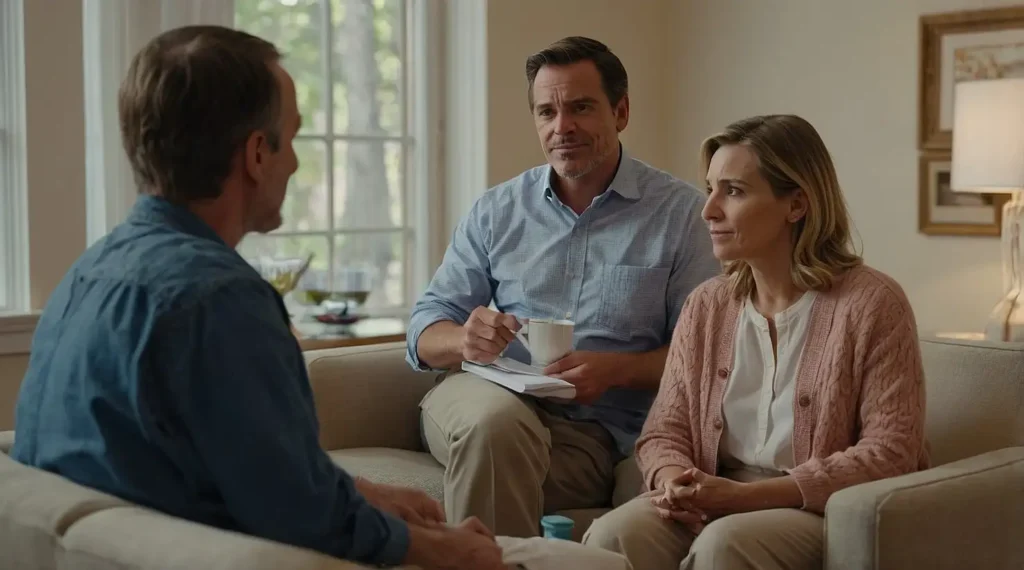
Behavioral therapies stay central. Motivational speaking with helps align goals. Contingency monitoring, where offered, is powerful for energizer usage disorders and significantly adapted for various other compounds. Cognitive behavior modification and trauma-focused strategies, such as EMDR or cognitive handling therapy, deal with the history noise that maintains regression danger high. In Texas, useful adjustments issue. Procedure throughout lunch breaks, telehealth in the vehicle between tasks, or bilingual group choices on the South Side of San Antonio frequently determine whether somebody sticks with treatment.

A San Antonio case vignette
A 34-year-old Army professional from the North Side strolled right into clinic after a nonfatal overdose on a counterfeit oxycodone tablet that lab job later revealed contained fentanyl. His dad had late-stage alcohol use disorder, and 2 relatives had lengthy opioid backgrounds. He functioned security at night, rested throughout the day, and dealt with his sister, who viewed his 6-year-old daughter.
On paper, packages for hereditary and environmental risk were all inspected. In conversation, we found the lever points. He liked his job but disliked the hours. He used pills to turn his sleep and "switch off the sound." He had actually tried buprenorphine in the past yet quit after two weeks of feeling "clouded." He had actually never ever been provided extended-release naltrexone. His sibling agreed to bring him to morning appointments if we can stay on schedule.
We began buprenorphine once again, this time around with a slower induction and split dosing to lower daytime sedation, scheduled telehealth check-ins after his shift finished at 6 a.m., and registered him in trauma-focused therapy at the VA. He lugged naloxone, and we educated his sibling to utilize it. Within 4 weeks he asked to move to a day shift function at the workplace for a tiny pay cut. The modification stuck. The genetics did stagnate. The environment did, and therapy made the step possible.
Family background is not destiny, but it is a signal
When a parent or sibling has battled with addiction, odds climb. Families frequently ask exactly how to act on that knowledge without shaming any individual. I suggest a basic, exclusive inventory that guides vigilance without transforming the home right into a police state.
- Which compounds caused trouble in the family, and at what ages did troubles begin?
- What anxiety patterns run in the family, such as anxiety, trauma direct exposure, or persistent pain?
- Who in the family can dedicate to sustain without judgment, and what does support resemble in practice?
- What limits will the family keep if usage rises, and who will certainly connect them?
- Where are the fast departures to care nearby, including facilities that provide exact same week starts for medication?
That last product matters greater than people think. In San Antonio, same week access to buprenorphine or alcohol medicines can be the distinction between a crisis settled and a funeral intended. Households who currently know where to go waste less time in the haze of fear.
The function of culture and neighborhood in Texas
Culture does not sit on top of therapy. It runs through it. In the Rio Grande Valley and San Antonio, Spanish first households might choose bilingual staff and groups that value family dynamics. Belief technique can be a resource of preconception or a reservoir of strength, depending upon exactly how leaders discuss addiction. Inviting a pastor or ordinary leader into the recovery plan, with the person's approval, can minimize shame and boost connection. Among army households, trust expands when medical professionals understand rank frameworks, the facts of implementations, and how to browse Tricare or VA options without threatening careers.
Work society matters also. Oil and gas workers might be away from home for weeks, where monotony and access collide. Dining establishment personnel develop area over late night beverages after shifts. Building and construction teams in summertime warm can divert into stimulant use to press through the day. Therapy that neglects these cultures will certainly not stick. Changing routines, constructing peer groups that mirror real workdays, and planning for pay cycles are greater than niceties.
Access in Texas: what aids and where the voids remain
Texas has made strides and still has spaces. Urban centers like San Antonio, Houston, and Dallas have multiple programs that can begin drug quickly, supply multilingual services, and coordinate with medical and psychological care. University-affiliated facilities and the VA system in San Antonio include ability. Nonprofits provide recuperation housing and peer mentoring. Telehealth broadened after 2020 and remains a lifeline for individuals that live outside Loophole 1604 or in capital Country.
Rural regions have a hard time a lot more. Lengthy drives, restricted public transport, and spotty broadband can make regular gos to impractical. Innovative versions help, like hub and spoke arrangements where a central facility supports primary care workplaces with buprenorphine prescribing and therapy by telehealth. Drug stores that stock buprenorphine and lug naloxone without headache become peaceful heroes in these towns.
Policy changes have actually additionally altered the landscape. Naloxone is currently a lot more widely available, including via standing orders that permit pharmacies to dispense without a specific prescription. Fentanyl examination strips are significantly allowed, lowering the obstacle to much safer usage practices for individuals not yet all set for treatment. Texas has a kind of Good Samaritan defense that uses limited lawful resistance when a person calls for assistance throughout an overdose, though take and conditions vary, so public education remains vital. These are reality savers, not abstract laws.
Insurance and cost are consistent barriers. Medicaid insurance coverage varies by solution, and numerous Texans stay without insurance. Sliding scale programs and county-funded solutions exist, but ability changes. For households organizing care, it deserves calling 211 to identify local resources and asking clinics directly about exact same week starts, telehealth, night hours, and repayment alternatives. When people listen to a friendly voice at the first telephone call, they have a tendency to show up.
Quality care is measurement, not slogans
Good addiction treatment in Texas, whether in a midtown health center center or a small workplace near the Pearl, tracks results. That includes retention in care at 30, 90, and 180 days, reductions in heavy alcohol consumption days or nonmedical opioid use, food craving ratings, return to work or school, housing security, and overdose events. Pee medication testing can be handy, yet medical professionals should clarify its limitations. Fentanyl analogs may not show up on conventional panels. False positives occur. A test result is a conversation starter, not a verdict.
When programs publish outcomes, ask exactly how they specify success and what population they offer. A center that takes the highest possible acuity people will look various than one that screens out complexity. Families can relatively ask about wait times, after hours support, and just how the team takes care of gaps. You can tell a lot from exactly how personnel talk about regression. If the tone is corrective, results usually adhere to the tone.
Co-occurring conditions, pregnancy, and the justice system
Edge cases prevail cases. Depression and PTSD are not side notes in Texas centers, provided the army presence and high prices of trauma direct exposure in some areas. Treating these alongside addiction is common of care, not a luxury. Expectant people with opioid use disorder ought to be supplied methadone or buprenorphine, with care collaborated across obstetrics and pediatric medicines. Babies subjected in utero do much better when mommies are secure in therapy and supported in breastfeeding when appropriate.
Many Texans with addiction cycle via region jails. Drug for opioid usage disorder during imprisonment reduces post launch overdose and boosts involvement in area care. Some facilities in Texas have actually increased these services, yet schedule is uneven. Family members can promote for continuity of drugs when a loved one is apprehended and link discharge planning to a neighborhood clinic prior to release.
Practical actions for integrating genes and atmosphere in care
The scientific research is complicated. The steps are not. Below is how groups I deal with translate genes and setting right into day-to-day practice.
- Screen for household history and ACEs, and file concrete environmental dangers like unsteady housing or shift work.
- Offer initial line medications where shown, and change dosages based upon action, not genotype alone.
- Layer therapy that matches the person's tension profile, including trauma focused treatment when appropriate.
- Reduce environmental rubbing with telehealth, transportation assistance, bilingual care, and flexible hours.
- Equip the home with naloxone, educate concerning fentanyl threat, and identify 1 or 2 supporters that will appear on short notice.
Done well, that series respects the biology and the neighborhood.
Where addiction treatment in San Antonio fits
San Antonio rests at an uncommon crossroads. It is an army city, an university city, and a deeply rooted Latino city, simultaneously. That mix creates a therapy ecosystem with staminas worth calling. There are significant healthcare facilities with integrated behavior health and wellness, VA programs that understand injury and pain in the military context, and area centers that run groups in English and Spanish. Nonprofits provide recovery housing and day programs. Peer recovery trains in Bexar Area bring real reputation into Emergency rooms and living areas, often within hours of an overdose.
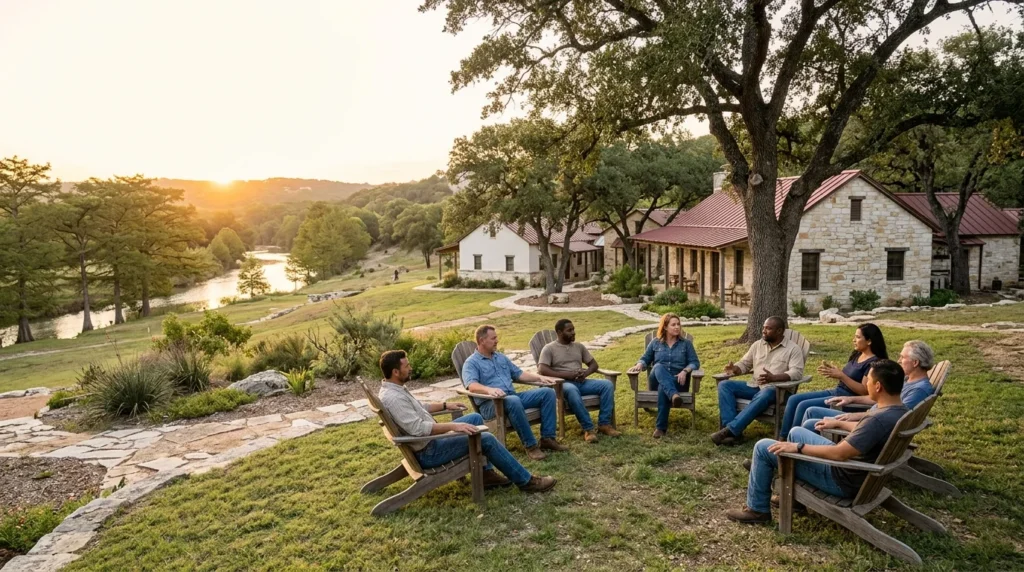
The job is not perfect. Wait times surge, and individuals obtain shed throughout changes. However the scaffolding is there. For anybody looking for addiction treatment in San Antonio, search for programs that can start medicines within a week, coordinate with medical care and mental wellness, and welcome family members participation. Ask straight regarding telehealth options for early mornings or late evenings. That flexibility turns a https://josuetxtt844.northcrestbrief.com/posts/addiction-treatment-in-texas-identifying-and-dealing-with-benzodiazepine-dependence strategy into a life.
A note on hope, and what progression looks like
It is tempting to frame genetics as destiny and environment as a wall surface. In technique, progression looks common. A papa makes it to his little girl's football video game due to the fact that his desires are silent on buprenorphine. A grandma keeps her insulin constant due to the fact that her grand son's alcohol consumption is in control with naltrexone and treatment. A 20-year-old who overdosed in a dorm currently carries naloxone and texts his therapist on hard evenings. These are not miracles. They are the end results of stable, well built care that values biology and context.
Addiction therapy Texas large jobs best when it stays short. Know the person's wiring enough to anticipate threat. Know the area sufficient to eliminate the apparent barriers. Use drugs that reduced mortality. Deal therapy that fits the tale. Add peer assistance that speaks the language, actually and culturally. Gear up the home with naloxone and functional expertise regarding fentanyl. Step what matters and change with humility. When those elements come together, the probabilities shift, regardless of what the ancestral tree looks like.